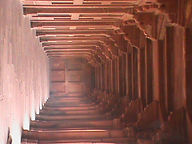
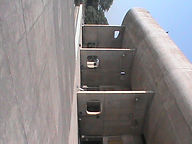
Notes from Agra, Jaipur and Chandigarh
Throughout the trip, I documented the places we visited using my Handycam, along with a few photographs captured on my phone.
Quick on-site sketches and conversations with faculty and friends also helped me understand the nuances of the spaces and the architectural details we came across.

1. Fenestrations & Openings


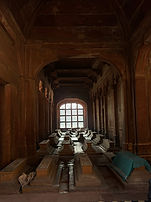


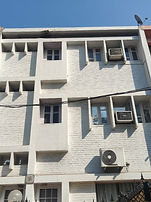


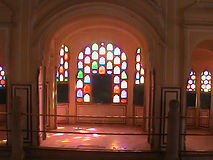
During the trip, I started paying close attention to one thing that quietly shaped every place we visited: fenestrations and openings. Whether it was a doorway, a jharokha, a narrow arch, or a perforated screen, each opening changed the way I experienced the space around me. I observed how these details could control light, frame views, offer privacy, or even guide movement without ever demanding attention.
In many buildings, the openings felt intentional and sensitive. Delicate stone jaalis softened daylight and created a sense of calm. Deep-set arches framed long corridors. Screens and smaller windows created layers, letting people see out without being seen, or allowing air to circulate while keeping interiors shaded and cool. These tiny architectural decisions shaped how people interacted inside the building, who could look out, what could be seen, and what remained hidden.
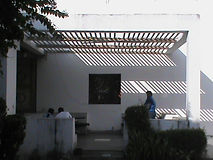
In other places, openings expressed a completely different idea. Large, bold apertures and sun blockers created dramatic shadows and made the structures feel open.

2. Courtyards and Open Spaces
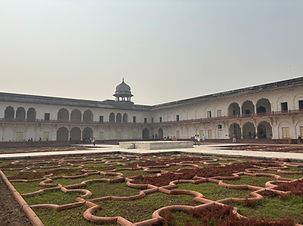

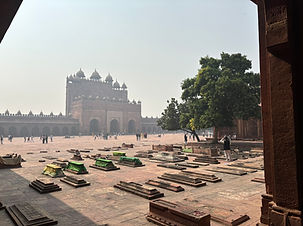


Another thing that stood out to me throughout the trip was how courtyards and open spaces shaped the experience of these monuments. Many of the places we visited were built around large, courtyards that acted like breathing spaces within the buildings.
In some forts, these open areas helped connect different levels and rooms, making the movement feel more fluid. At a few palaces, courtyards created a quieter, more intimate zone where light entered softly and the temperature felt noticeably cooler.
Even in modern spaces like Jawahar Kala Kendra, the courtyards played a big role - they broke down the scale of the building and created pockets where people naturally gathered, rested, or simply observed the surroundings.
These open spaces weren’t just empty gaps; they helped the buildings feel alive, offering pauses, transitions, and moments of openness within the larger structure.



3. Niches


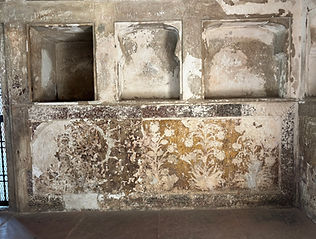


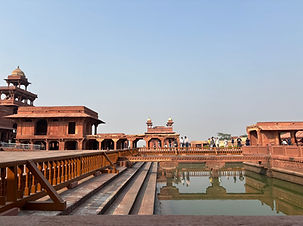
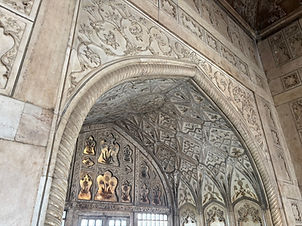
I also began noticing the many niches built into the walls across the monuments we visited. They appeared in different shapes and sizes—small square recesses, tall arched slots, and deep wall pockets. Each seemed to have a purpose.
Some were likely used to place lamps or diyas, lighting up corridors and rooms. Others may have held water pots, everyday objects, or items needed for rituals.
In larger structures, the deeper niches worked almost like built-in storage, helping keep things off the floor while staying easily accessible. Their placement in walls near staircases, entrances, or private rooms showed how thoughtfully these small spaces were integrated into daily life.
4. Entrances and Facade

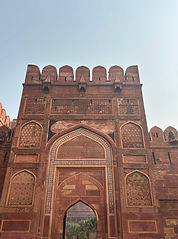


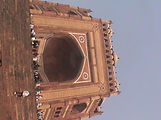
Throughout the trip, I also noticed the huge entrances and thick external facades of many forts and palaces.
These gateways were massive, often built with heavy stone walls meant to slow down enemies and protect the inner spaces. Walking through them felt like moving through a series of transitions. From the bright, open exterior, you entered deep, shadowed passages that immediately changed the temperature, the scale, and even the sound around you. Some gateways had multiple turns or angled paths, making the entry more controlled and secure.
By the time you reached the inner courtyard or the main palace area, the shift was dramatic—you moved from a defensive, almost intimidating outer shell into calmer, more intimate spaces meant for daily life.


5. Materials


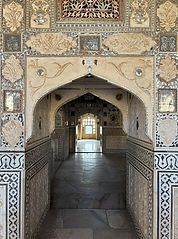
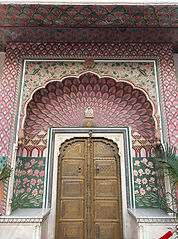




As we moved from one city to another, I also noticed how the materials changed and how that affected the look and feel of the architecture.
In Mughal buildings, like the ones in Agra and Fatehpur Sikri, marble and red sandstone were used in their natural form. There was no paint - just the pure colour and texture of the stone. At places like the Taj Mahal, different coloured stones were used for inlay work, creating patterns and highlighting text with incredible precision.
In Jaipur, the approach felt different. Here, buildings often used a lighter local marble along with painted surfaces. Colours were an important part of the architecture, adding brightness and detail to facades and interiors.
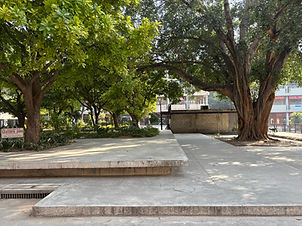
When we reached Chandigarh, the materials changed completely. The city’s entirely was almost made largely of exposed concrete, giving it a bold, raw, and almost brutal character.
It was interesting to see how each place used materials not just for construction, but to express its own identity and time.

Images from the Handycam